Witch Doctor is term that for centuries has been used
to describe a medical person who is believed to heal through magic and
witchcraft. Most witch doctors used potions made of herbs that offered true
medicinal value. Some historians claim that these early physicians and many of
the potions they created probably led to modern medicine. Mentions of witch
doctors are commonly found in early African literature, but could also be
applied to early folk medicine worldwide. In various parts of the world, early
medical practitioners might have been referred to as shamans, healers, or wise
men or women.
In ancient history, especially in small towns and
villages, a witch doctor was often the only medical practitioner available.
They commonly assisted in childbirth, tooth extraction, and medical emergencies.
However when their healing methods failed, it was common for the witch doctors
to blame it on the displeasure of the gods or the unworthiness of the patient.
In this way, they were able to maintain their stature even though their
treatments were often unsuccessful. As a form of payment, witch doctors received food, clothing, weapons and
other valuable things from their patient. They are however, slowly diminishing as
a result of the rise in modern medicine. But witch doctors still exist and are
still highly regarded by his or her people.
African
Witch Doctors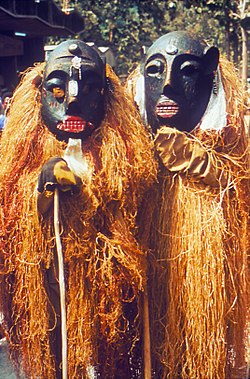 There
are two main types of traditional healers in African societies: the deciner
(sangoma) and the herbalist (inyanga). In essance these are shamans who are of
high social power and status within the societies, having a strong influence on
all elements, even politics. In these societies illnesses are believed to be as
a result of witchcraft, pollution or negation of the ancestors.
There
are two main types of traditional healers in African societies: the deciner
(sangoma) and the herbalist (inyanga). In essance these are shamans who are of
high social power and status within the societies, having a strong influence on
all elements, even politics. In these societies illnesses are believed to be as
a result of witchcraft, pollution or negation of the ancestors. Traditional healers in
How spells are cast
Through ritual and animal sacrifices, healers believe that the ancestors must be shown respect; they feel that this will bring them a trouble-free life and create harmony and strength between the living and the dead. They summon the ancestors through many types of rituals and potions: burning sacred plants like imphepho (Helichrysum petiolare), dancing, chanting, channeling or playing drums. Traditional healers will often give their patients muti—medications made from plant, animal and minerals—imbued with spiritual significance. These medicines often have powerful symbolism; for example, lion fat might be prepared for children to promote courage. There are medicines for everything from physical and mental illness, social disharmony and spiritual difficulties to potions for protection, love and luck.
 Sangoma is a Zulu term that is
used to describe the traditional healers, there are actually many different
types within this term referring to the different ways that they heal or cast
spells. An inyanga is concerned mainly with medicines made from plants and
animals, while a sangoma relies primarily on divination for healing purposes
and might also be considered a type of fortune
teller. In modern times, colonialism,
urbanisation,
apartheid
and cross-cultural mixing have blurred the
distinction between the two and traditional healers tend to practice both arts,
and the traditional healers can alternate between these roles by diagnosing
common illnesses, selling and dispensing remedies for medical complaints, and
divining cause and providing solutions to spiritually or socially centered
complaints.
Sangoma is a Zulu term that is
used to describe the traditional healers, there are actually many different
types within this term referring to the different ways that they heal or cast
spells. An inyanga is concerned mainly with medicines made from plants and
animals, while a sangoma relies primarily on divination for healing purposes
and might also be considered a type of fortune
teller. In modern times, colonialism,
urbanisation,
apartheid
and cross-cultural mixing have blurred the
distinction between the two and traditional healers tend to practice both arts,
and the traditional healers can alternate between these roles by diagnosing
common illnesses, selling and dispensing remedies for medical complaints, and
divining cause and providing solutions to spiritually or socially centered
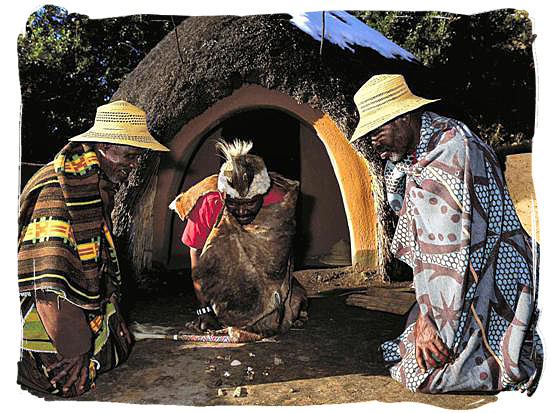
complaints. In healing a sangoma's try’s to establish a balanced and harmless relationship between the afflicted patient and the spirits that are causing their illness. The healer intercedes between the patient and the world of the dead in order to make restitution. This is generally performed through divination- throwing the bones or ancestral channeling-, purification rituals, or animal sacrifice to appease the spirits through atonement.
Divination performed by Sangoma is the reading of the bones after they have been thrown. This will be one way that the Sangoma will access the ancestors and advice given by them. In a session, the Sangoma will determine what the affliction is and then either the patient or diviner throws bones on the floor, which may include animal vertebrae, dominoes, dice, coins, shells and stones, each with a specific significance to human life. One example of this is the hyena bone which signifies a thief and will provide information about stolen objects. After the bones have been thrown, it is believed that the ancestors determine how they fall and then the Sangoma reads and interprets them in relation to the patient’s life and how to resolve their problem. The Sangoma will then give the patient a course of medicine to take or referrer them to a herbalist.
Drumming and Rituals
Sangoma can also be translated as 'person of the drum' or 'the drumming one', as drumming is an important part of summoning the ancestors. During times of celebration the possessed sangoma is called to dance and celebrate their ancestors. The sangoma falls into trance and the ancestors will be channeled, which appears to be through episodes of convulsive fits. This is followed by the singing of ancestral songs. These songs are echoed back to the ancestor via the audience in a process of call and response. The possessed sangoma will then change into their traditional ancestral clothing and dance vigorously while others drum and sing in celebration.

No comments:
Post a Comment